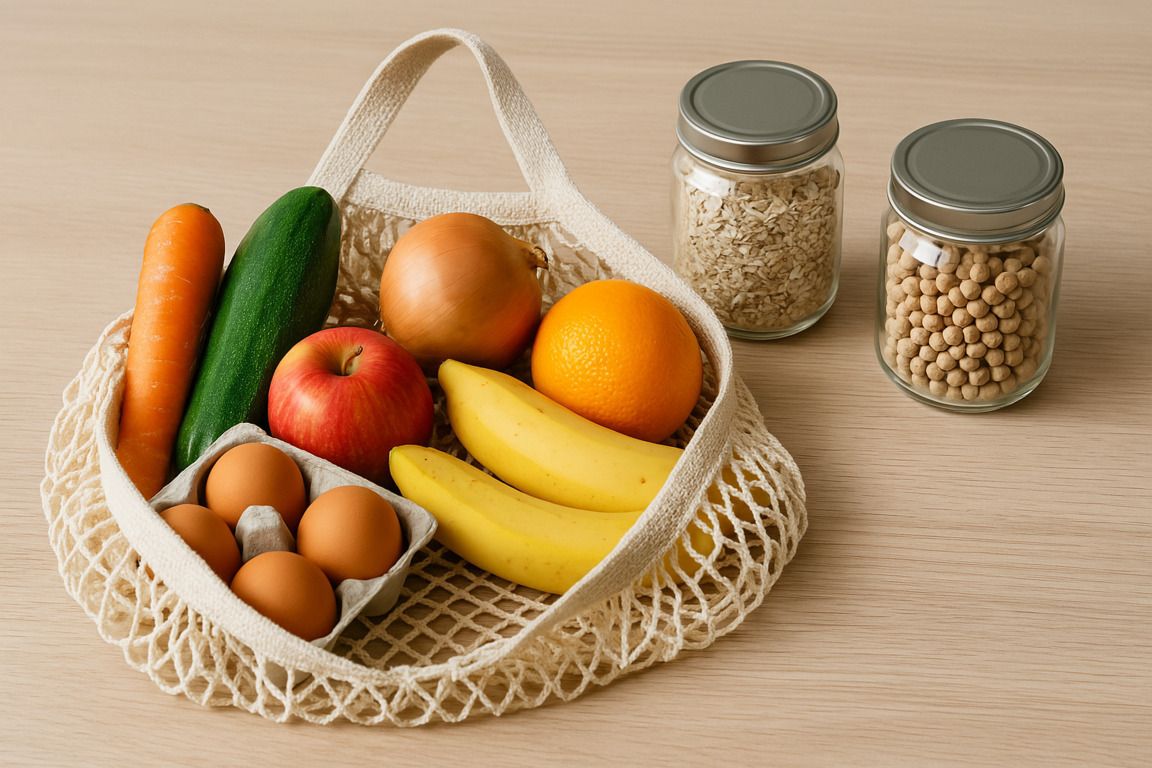
1. Plan your meals and make a list (and stick to it!)
The first step to eating healthy and cheap is avoiding impulse buys. Sitting down for a while to plan the week's meals can make a big difference. Put together a list with just what you need and try to stick to it when you go to the supermarket or market.
According to a study in the Journal of Nutrition Education and Behavior, people who plan their meals spend less on processed food and waste less food.
2. Buy seasonal and local food
Seasonal fruits and vegetables don't just taste better and carry more nutrients: they're also much cheaper. On top of that, buying local products means you avoid paying the extra costs of transport and storage.
Research in the British Food Journal found that choosing seasonal food can cut your shopping bill by up to 30%.
3. Don't underestimate the power of legumes
Lentils, chickpeas, beans... They're an excellent source of plant protein, fiber and minerals. They're cheap, they go a long way, and you can use them in stews, salads, burgers, soups or pasta. If you buy them dried and soak them, the cost per serving is minimal.
What's more, combining them with grains (like rice or oats) gives you a complete protein.
4. Cook in bulk and store portions
Making more food than you're going to eat right away saves you time and money. You can freeze portions so you always have something homemade on hand and avoid falling back on expensive or less healthy options.
This method, known as batch cooking, has become a key tool in many guides to mindful, sustainable eating.
5. Avoid ultra-processed food (even when it's on sale)
Cookies, snacks, ready-to-heat meals… They may seem convenient, but they're often expensive for the nutritional value they deliver. They also tend to be high in sodium, sugars and trans fats.
Investing in fresh or minimally processed foods (like oats, plain yogurt or artisan whole-grain bread) is a better deal long term: more satiety and better health.
6. Take advantage of smart discounts
Check prices per kilo, compare brands, explore neighborhood markets and wholesalers. Many places run discounts on weekends or at the end of the day. Some apps will even tell you where to find products close to their expiry date that are still good and cheaper.
7. Learn to read labels
Eating healthy also means knowing what you're buying. A label with few ingredients and no strange names is usually a better option. Don't fall for misleading marketing (like “light” or “natural”) and focus on what's actually in the product.
The Pan American Health Organization recommends prioritizing foods with no warning labels, or with low levels of sugar, sodium and saturated fat.
Conclusion: eating well is possible, on a budget too
It isn't about buying imported “superfoods” or following fad diets. It's about going back to basics, getting organized, and making informed decisions. Eating healthy and cheap is a real possibility if you put these strategies into practice.
Looking after your body doesn't have to empty your wallet. On the contrary: it can be a smart, sustainable investment in your health.