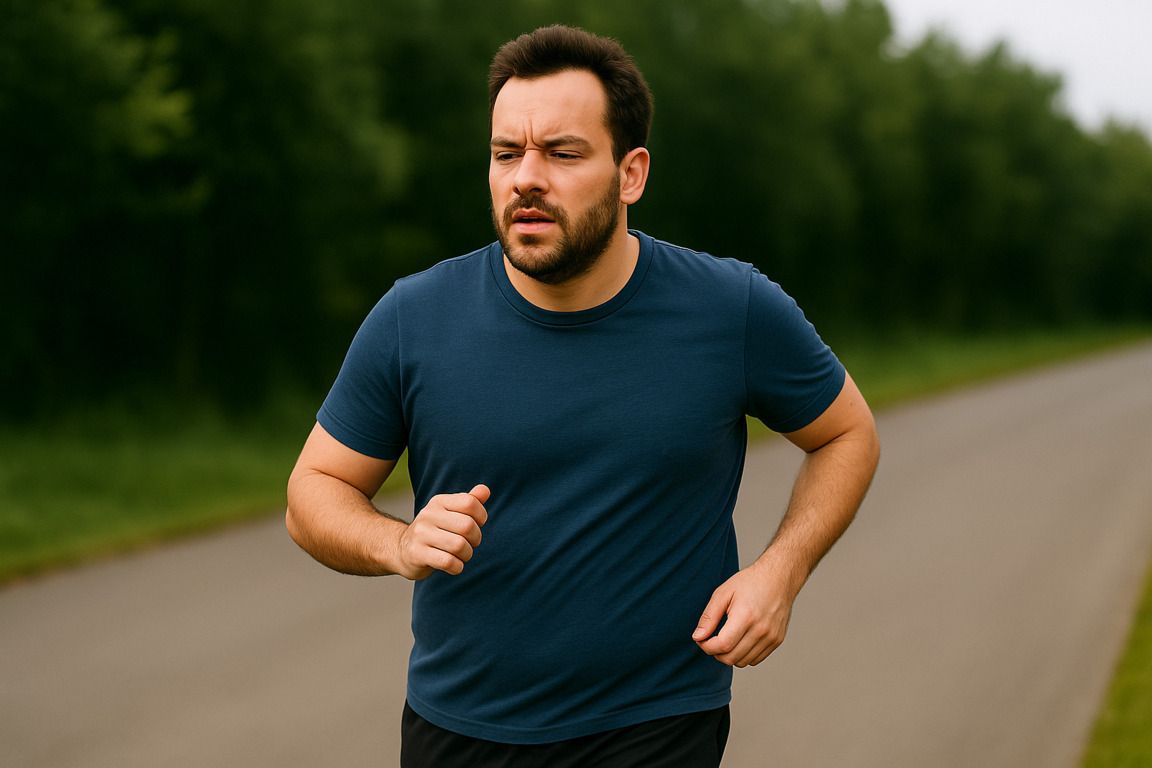
Your metabolism isn't what it was (and that's okay)
From age 30 onward, metabolism naturally begins to slow down. This means the body burns fewer calories at rest, and does it more slowly. One of the main reasons is the progressive loss of muscle mass, a metabolically active tissue that burns energy even while you sleep.
A study published in Current Opinion in Clinical Nutrition and Metabolic Care notes that this reduction can reach 1-2% per decade, and although it may seem small, it adds up over time if habits aren't adjusted.
Hormones play their part too
In women, hormonal changes tied to the menstrual cycle, pregnancy and perimenopause directly affect appetite, fat storage and energy levels. In men, testosterone levels can decline, which influences muscle mass and the motivation to train.
These changes don't make weight loss impossible, but they do call for a more strategic, personalized approach.
More responsibilities, less time (and more stress)
Adult life comes with work, family, tight routines and, often, little energy left to train or cook. Stress is a key factor too: it raises cortisol, a hormone linked to abdominal fat storage and cravings for foods high in sugar and fat.
Research such as the study published in Psychosomatic Medicine confirms that chronic stress not only affects appetite, it also changes the way the body uses energy.
What can you do about it?
It isn't about extreme diets, but about applying sustainable adjustments:
- Prioritize protein: it helps preserve muscle mass and keeps you fuller for longer. Combine animal and plant sources.
- Train for strength: it isn't just cardio. Lifting weights or doing bodyweight exercises is key to keeping and rebuilding muscle mass.
- Sleep well: sleep regulates appetite hormones. Sleeping less than 6 hours can sabotage your efforts without you noticing.
- Plan your meals: cooking more at home, avoiding emotional snacking and choosing appropriate portions can make the difference.
- Move more day to day: walk, take the stairs, avoid sitting for long stretches. It all counts.
Conclusion: your body changed, but your goal is still within reach
Losing weight after 30 isn't impossible, but it is different. You need more awareness, more planning and a holistic view that takes your biology, your context and your emotions into account.
The good news is that once you understand these changes, you can adapt your approach and get real results, with no punishment and no magic solutions. Because it isn't only about losing kilos, it's about gaining health, energy and long-term wellbeing.